

Fashion continues to evolve at an unprecedented pace. What once followed predictable seasonal cycles now develops in real time. Style directions shift alongside cultural movements, technology reshapes design processes, and sustainability transforms entire supply chains. As 2026 approaches, the focus extends beyond new clothing and accessories to a broader transformation in how fashion is produced, experienced, understood, and valued.
The fashion industry in 2026 is about people, purpose, and innovation. It is about creativity that responds to climate reality, digital life, and human expression. Let us take a deep dive into next-generation fashion 2026 by exploring the biggest trends, emerging technologies, cultural influences, and what it all means for consumers, designers, and the world.
What Does Next Generation Fashion Even Mean
Next-generation fashion is more than a category or a trend. It reflects a shift in how fashion interacts with society. Traditionally, fashion emphasized seasonal collections, signature styles, and brand prestige. In 2026, priorities are different. Fashion is becoming:
More sustainable: Less waste, more thoughtful production, and longer-lasting pieces.
More digital: Fashion that exists in virtual worlds, interacts with technology, and embraces digital identity.
More inclusive: Built around diversity in body type, culture, gender, and expression.
More personal: Driven by customization, self-expression, and wearable technology.
This new era of fashion responds to deeper demands. People want meaning in what they wear. They care about the story behind a garment. They want performance, comfort, versatility, and connection.
Sustainability Is Now a Core Value
In 2026, sustainability is no longer optional. It has become a baseline expectation from consumers, brands, and even regulators.
The Rise of Circular Fashion
Circular fashion means clothes are designed to be repaired, reused, recycled, and repurposed. This approach reduces waste and extends the life of garments. Brands are investing in open take-back systems, recycling programs, and resale platforms that make it easier for customers to keep items out of landfills.
Major labels and independent designers alike are using recycled yarns, organic materials, and biodegradable textiles. The ripple effect means less water waste, reduced carbon emissions, and more responsible manufacturing.
Transparency Matters
Consumers want to know where their clothes come from, who made them, and at what cost. In 2026, many brands are using technology such as blockchain to provide traceability. When you purchase a garment, you can scan a code, click a link, and see the entire journey from raw fabric to finished product.
Transparency builds trust. It also pressures the industry to improve working conditions in factories and treat workers ethically.
Eco Friendly Materials That Feel Good
Innovation in textiles continues to accelerate, with fabrics derived from pineapple leaves, mushrooms, seaweed, and recycled plastic bottles gaining wider use. These materials reduce reliance on petroleum-based fibers such as conventional polyester. Some offer a refined, luxurious feel, while others are engineered for enhanced performance. Together, they contribute to a more environmentally responsible approach to fashion production.
Fashion and Technology Become One
Technology and fashion are no longer separate worlds. In 2026, they are deeply connected.
Digital Fashion and Virtual Wardrobes
Digital fashion has gone mainstream. With social media, gaming, virtual reality, and the metaverse growing rapidly, people are investing in clothes that exist only online. Digital fashion allows you to style your avatar, create unique looks for photos, and wear pieces that would be impossible in real life.
Major fashion houses are launching digital collections. Streetwear labels are selling virtual sneakers. Even everyday shoppers are experimenting with augmented reality try-on features that let you see how clothes look on your body before you buy.
Virtual wardrobes empower self-expression without physical waste. They also open up new revenue streams for designers who can sell limited-edition digital pieces.
Wearable Tech Meets Everyday Style
Wearable technology is evolving beyond fitness trackers and smart watches. In 2026, clothing itself can have built-in sensors, adaptive temperature control, and connectivity with personal devices.
Imagine jackets that warm up when it gets cold. Fabrics that change color with your mood. Shirts that track posture and sleep quality. These innovations make fashion functional and interactive without compromising style.
AI in Design and Customization
Artificial intelligence is becoming a powerful fashion design tool. Brands use AI to analyze trends, predict preferences, and generate design concepts. This does not replace human creativity. It enhances it by showing designers possibilities they might not have imagined.
AI is also driving personalized fashion. Customers can input measurements, style preferences, and lifestyle details to receive custom fits and unique designs tailored specifically to them.
Style Trends Defining 2026
Fashion trends emerging in 2026 reflect lasting movements rather than temporary moments. These developments indicate deeper cultural shifts that are shaping how style is created, interpreted, and worn across the industry.
Utility with Style
Functional fashion continues to rise. After years where comfort dominated due to remote work and relaxed dress codes, people still want function without sacrificing aesthetic. Think pockets that are purpose-built, modular layers, and pieces designed to transition from day to night.
Utility does not feel utilitarian. It feels smart, intentional, and adaptable.
Gender Fluid Fashion
Fashion in 2026 is increasingly gender inclusive. More brands are offering collections that are not labeled strictly as menswear or womenswear. Instead, they focus on fit, style, and identity.
Gender fluid fashion allows everyone to express themselves freely. This movement challenges traditional norms and creates a more welcoming fashion landscape.
Retro Revivals Meet Futurism
Nostalgia is alive, but it looks different now. Instead of simply reviving retro styles, designers are remixing vintage elements with futuristic materials. 90s silhouettes might meet metallic fabrics. 70s prints get reimagined with digital textures. This blend of past and future creates something familiar yet fresh.
Quiet Luxury and Mindful Consumption
The trend called quiet luxury continues to appeal. Instead of flashy logos and conspicuous branding, people are choosing understated pieces that reflect quality, craftsmanship, and longevity. Minimalism meets thoughtful design. This trend speaks to a generation that values substance over spectacle.
Culture, Identity, and Expression
Fashion has always been cultural, but in 2026, identity plays an even larger role in what people choose to wear.
Celebrating Heritage
Designers and consumers are drawing inspiration from cultural roots and traditional crafts. Indigenous textiles, regional embroidery techniques, and age-old dyeing methods are appearing in contemporary collections.
This trend fosters cultural appreciation, supports artisan communities, and keeps heritage alive in a modern context.
Street Style as a Global Language
Street style is more influential than ever. What starts in local neighborhoods spreads globally through social media. People around the world are remixing trends to reflect their own experiences. Global street style fuels creativity and diversity in fashion.
Fashion for All Bodies
Inclusivity in sizing and representation is becoming the standard. More brands are offering extended size ranges and tailoring clothing for different body shapes. Campaigns are featuring real people with diverse identities. This shift makes fashion more welcoming and empowering.
Redesigning the Retail Experience
Fashion retail in 2026 is not the same as it used to be. Stores are becoming experiences rather than simply places to buy clothes.
Hybrid Shopping
Online and offline blend in hybrid retail experiences. Click and collect, virtual try-ons, personal styling sessions via video call, and immersive brand spaces are common. Shopping becomes social, convenient, and interactive.
Tech Enhanced Stores
Retail spaces may have smart mirrors that suggest outfits. They may have interactive displays that show how a garment was made. Brands are using technology to create immersive brand stories that deepen customer connection.
Subscription and Rental Services
Rather than owning every piece, many people are opting for rental or subscription-based wardrobes. Imagine having a rotating closet of curated items you can swap as you like. This model reduces waste and allows people to experiment with style without long-term commitment.
Challenges That Still Persist
While the future of fashion is exciting, there are real challenges that the industry must address.
Supply Chain Complexity
Sustainable production requires transparency and accountability throughout the supply chain. This can be complicated to implement across borders and involves working with factories, farms, and suppliers who may have limited infrastructure.
Fast Fashion Pressure
Fast fashion brands still dominate large parts of the market due to low prices and rapid turnaround. Slowing down consumption and encouraging mindful fashion choices is an ongoing challenge.
Equity and Accessibility
Technology-driven fashion can be expensive. Ensuring that innovation is accessible to all communities, and not just a privileged few, remains a priority. Fashion should be inclusive both in design and in access.

What This Means for You
Next-generation fashion in 2026 is not just for designers and industry insiders. It affects how everyday people shop, express themselves, and think about what they wear.
Rethink Your Wardrobe
Take stock of what you own. Consider how pieces make you feel, how often you wear them, and how they were made. Prioritize items that are versatile, durable, and meaningful.
Support Responsible Brands
Look for brands that are transparent, sustainable, and inclusive. Small designers often lead the way in innovation. Your choices influence the market and support positive change.
Experiment and Express
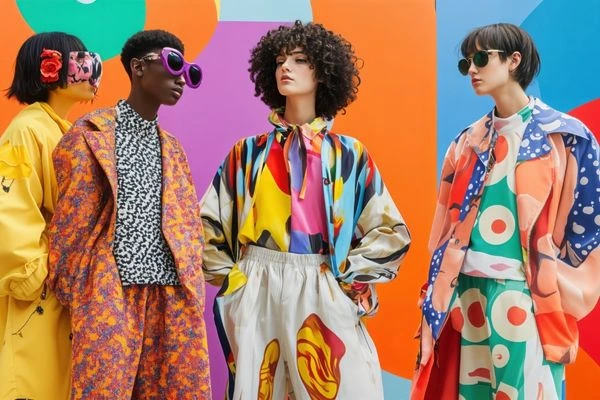
Fashion in 2026 encourages playfulness. Mix styles, revisit vintage finds, embrace digital fashion for fun, and build a wardrobe that reflects who you are and how you live.
Redefining Fashion’s Purpose in 2026
Next generation fashion 2026 represents a roadmap for an industry undergoing deep transformation. Technology and humanity intersect with innovation and sustainability, while creativity aligns with purpose. This new phase of fashion extends beyond seasonal trends and focuses on shared values, evolving connections, and collective cultural progress.
Across style preferences and lifestyle needs, fashion in 2026 offers forward-looking solutions that prioritize comfort, function, and thoughtful design. The emphasis shifts toward garments that balance aesthetic appeal with responsible production and long-term wearability.
The future of fashion encourages active engagement rather than passive consumption. Curiosity, intention, and imagination shape this evolving landscape, where clothing reflects broader social, environmental, and cultural narratives. In this context, fashion becomes part of a larger vision of how society chooses to live, create, and move forward.